Chemical Examination of Arson Cases
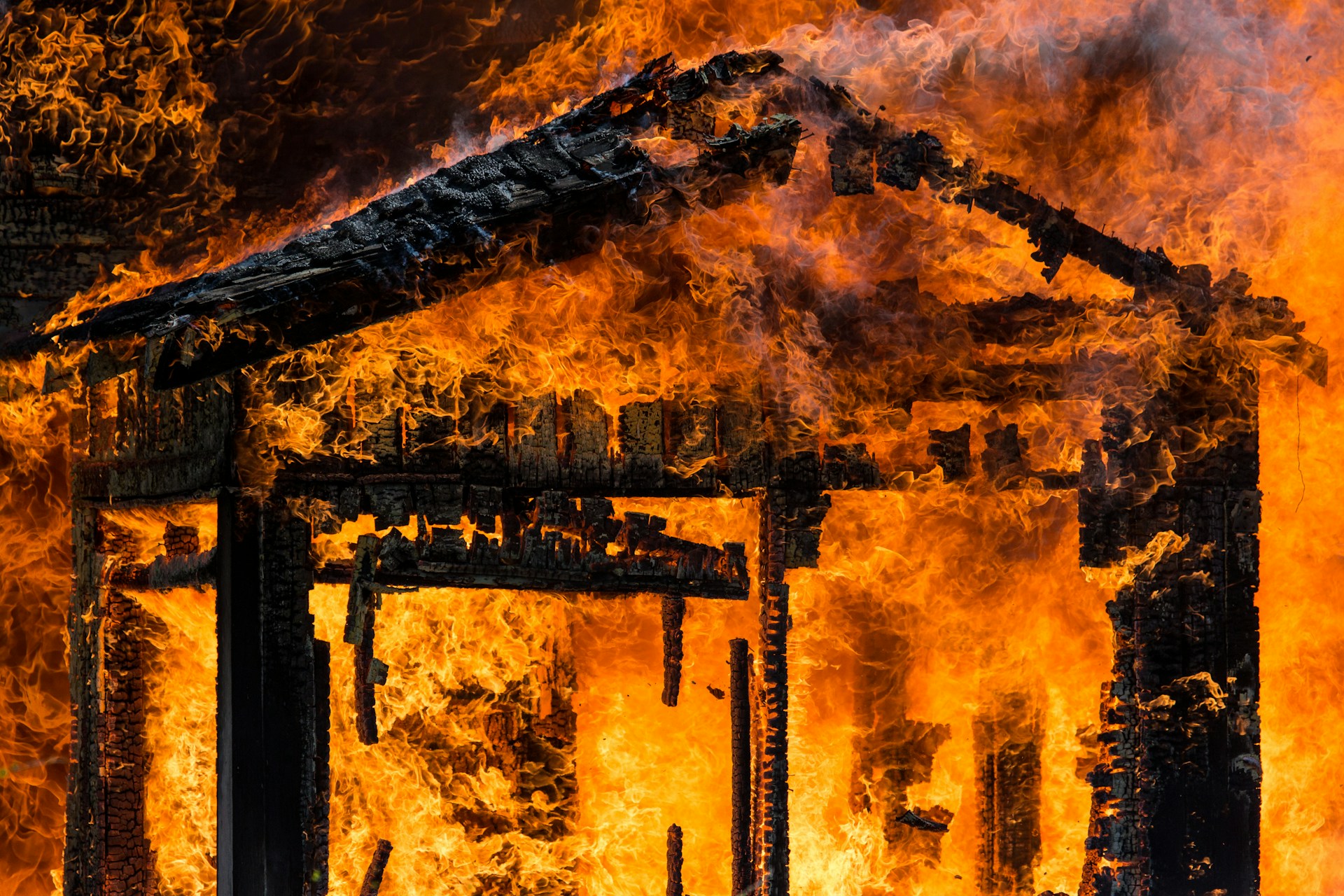
A devastating fire can obliterate a home, a business, or a warehouse in a matter of minutes. While fires can start accidentally through electrical faults or natural causes, many are deliberately set to commit insurance fraud, conceal other crimes, or exact revenge. Because fire destroys so much physical evidence, proving arson requires highly specialized chemical analysis.
Our forensic laboratory plays a critical role in fire investigations by scientifically determining if chemical accelerants were used to ignite or spread a blaze.
Analyzing Fire Debris
Contrary to common belief, accelerants like petrol, diesel, kerosene, or paint thinner are rarely completely consumed by a fire. Microscopic traces of these ignitable liquids seep into porous materials like wood, carpet, soil, and concrete.
Fire investigators securely package these burnt debris samples in airtight metal cans to prevent the volatile chemical vapors from escaping, and send them to our lab for analysis.
Advanced Chemical Chromatography
We extract the trapped vapors from the debris using sophisticated solvent or headspace extraction techniques. We then inject the sample into a Gas Chromatograph-Mass Spectrometer (GC-MS). This powerful instrument separates the complex chemical mixtures into individual molecular components.
By analyzing the resulting chemical “fingerprint,” our forensic chemists can identify the exact type of accelerant used. A positive identification of an ignitable liquid in an area where it does not naturally belong provides the definitive, scientific proof needed for law enforcement to pursue criminal arson charges or for insurance companies to deny fraudulent claims.
Related Services
Need Forensic Assistance?
Our certified experts are ready to evaluate your case with 100% confidentiality.
Contact Us Now